About KOLI & OLUM

About KOLI & OLUM
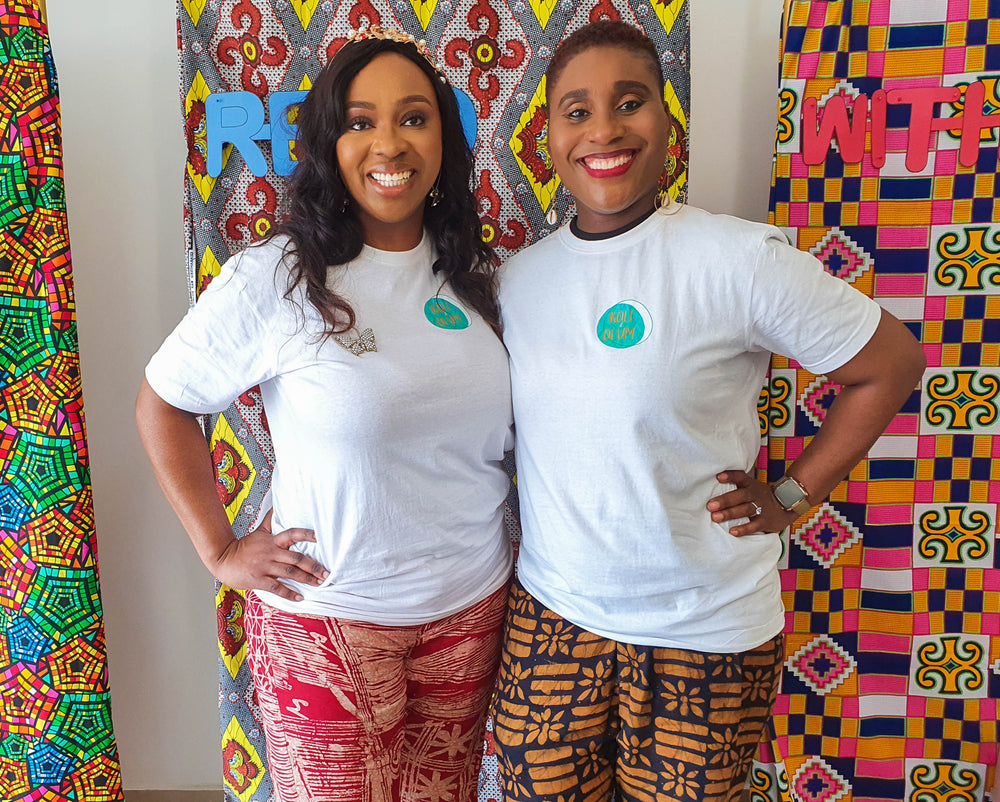
Hi, I’m Ada.
Co-founder and CEO of KOLI & OLUM, and a mom raising proud little Nigerian-Americans.
Growing up in Nigeria, I never had to think about my cultural identity. I was surrounded by it: in the language around me, the food on the table, the stories the grown-ups told. Even after moving to America, I was so steeped in who I was that it never felt like something I could lose.
Then I had my children here in the United States, and everything changed.
I realized that the culture I had soaked up without trying would not reach them on its own. If I wanted my kids to have a strong sense of who they are and where they come from, I had to be intentional about passing it on, and about preserving it for the generations after them.
That’s where KOLI & OLUM began.
It started at home
One family, one language, one very first book
My sister-in-law and I started tinkering with ways to create adorable products that would show our cultural pride in a way kids would actually be drawn to. That’s how our very first product was born: My First IGBO Words.
What we didn’t know then was how many other parents across the diaspora were carrying the same desire.
Our name is a blend of our two children’s names. Two cousins, one shared heritage, and the reason all of this exists.
Where we are today
From one language to a global brand
Today, KOLI & OLUM is a global brand. Our board books, folktales and activity books celebrate the languages, stories and cultures of more than 35 African countries, and they’re read by families in 20 countries around the world.
What we stand for
Bigger than books
Giving back
10% of all proceeds are donated to orphanages across Africa through our parent organization, Ada Ari Books. We give back to the very children these stories were inspired by.
Women at the center
We are deeply committed to empowering African women economically. Our team is run by women, and every order helps sustain their work.

Why we keep showing up
Built from the grassroots
Running a small business isn’t without its challenges, especially with no industry connections and no blueprint to follow. But watching this brand grow from the grassroots, one family and one language at a time, is what keeps us showing up every day.


And the proudest part? Watching our own kids share their culture and traditions with friends of every background.
That’s what we hope for every child who opens one of our books.
Ada
Co-founder and CEO, KOLI & OLUM